Full Video Transcript
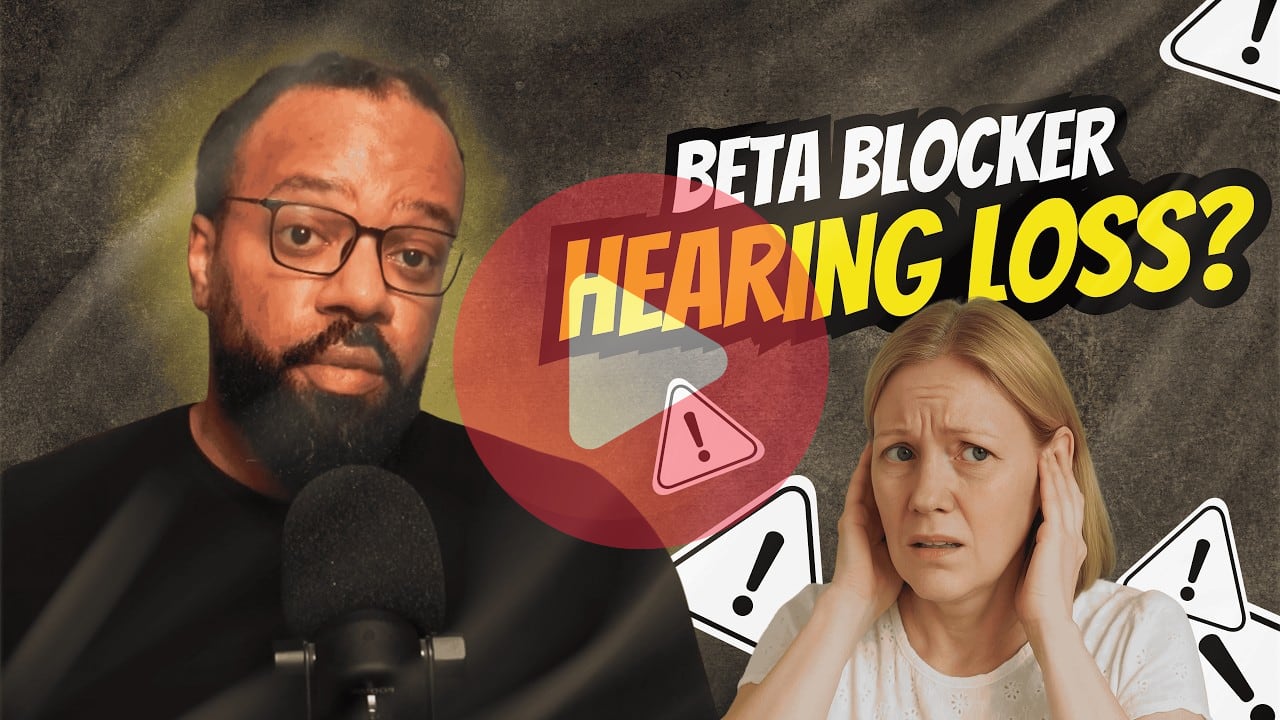
Can beta blockers cause hearing loss?
Take a look at our YouTube channel or check out all of the content we've posted over on PerformZen.com and you'll see that we're always talking about beta blockers. They're one of the best anxiety and stage fright management tools out there today, even with all the side effects. And it's one of these beta blocker side effects that I want to talk to you about here because I've been asked about it so many times: Do beta blockers cause hearing loss? Well, I'll get right to it. Certain beta blockers have proven to be ototoxic, meaning ear damaging. But there's nuance and degrees depending on which specific beta blocker you're talking about. And here's what might shock you. One particular beta blocker that's commonly prescribed for anxiety is actually among the worst offenders for hearing damage. I'll tell you exactly which one in just a moment. But first let me answer the question that's probably racing through your mind right now. If you're already experiencing ringing in your ears or hearing changes from beta blockers, is the damage permanent? Well, the answer to that depends on a few factors that I'll explain, but I'll also give you some specific steps you can take starting today to potentially reverse the damage.
The quick answer yes, but it's complicated.
So do beta blockers cause hearing loss? The short answer is yes, some do. But here's where it gets interesting. Not all beta blockers are created equal when it comes to your ears. The term we're dealing with here is ototoxicity, literally meaning toxic the ears. And while hundreds of medications can damage your hearing, from antibiotics to chemotherapy drugs, certain beta blockers have made their way onto this list. Now, you might be thinking, wait, I thought beta blockers just affected the heart. And you're mostly right. But here's the thing. Beta receptors aren't just in your heart. They're also found in your inner ear, specifically in the structures that control both hearing and balance.
The worst offenders? Which beta blockers to watch out for?
Here's what the research shows, and this might surprise you. Carvedilol, also known by the brand name Coreg, appears to be the most problematic beta blocker for hearing issues. Studies have shown it has the highest incidence of tinnitus and hearing related side effects among the beta blocker family. But Carvedilol isn't alone. The research also points to bisoprolol and nebivolol as being more likely to cause hearing problems compared to the more commonly used propranolol or metoprolol. Now, here's an interesting twist, and this is why the hearing loss question gets complicated. Sometimes the beta blocker isn't directly causing the hearing problems. High blood pressure itself can cause tinnitus and hearing issues. So if you're taking a beta blocker for blood pressure and you start having hearing problems, if you it could be the medication, or it could be that your blood pressure isn't controlled well enough yet.
Why do they mess with your hearing?
So why do some beta blockers affect your hearing in the first place? It comes down to those beta receptors I mentioned earlier. Your inner ear contains beta adrenergic receptors that help regulate blood flow to the delicate structures involved in hearing. When beta blockers interfere with those receptors, they can reduce blood flow to your inner ear pump, potentially damaging the hair cells that are essential for hearing. Think of it like this. Your inner ear needs a steady supply of oxygen and nutrients from blood flow to function properly. Beta blockers can essentially choke off some of that blood supply. And when those tiny hair cells don't get what they need, they can become damaged or die. The tricky part is that once those hair cells are damaged, they don't regenerate like other cells in your body do. The big question Is the damage permanent? Now here's the question everyone wants answered. If you're experiencing hearing problems from beta blockers, is it permanent? The good news is that in many cases, if you catch it early, the hearing effects can be reversible. Studies show that tinnitus and mild hearing changes often improve within weeks to months after stopping the problematic beta blocker. However, and this is important if you've been using ototoxic beta blockers for months or years, and especially if you're using higher doses, the damage can become permanent. This is why early detection and action are so crucial. What you can do about it if you're currently taking beta blockers and concerned about hearing loss, here's what you need to do. First, start monitoring your hearing right now. Pay attention to any ringing, buzzing, or changes in how well you can hear. Don't wait for it to get worse. Second, talk to your doctor about switching to a less ototoxic option. Propranolol and metoprolol appear to have lower rates of hearing problems compared to carvedilol or bisoprolol. Third, if you're taking beta blockers just for anxiety, not for a serious heart condition, this might be the perfect time to explore natural alternatives that don't carry these risks.
The safe alternative route
Which brings me to why I'm so passionate about natural alternatives like PerformZen. When you're using beta blockers specifically for anxiety and performance issues, you're essentially risking your hearing for something that can often be managed naturally. PerformZen works by supporting your body's neighborhood natural calming mechanisms through ingredients like Gaba, L-Theanine and magnesium. Instead of blocking beta receptors throughout your body, including in your ears, it helps your nervous system handle stress more effectively from the ground up. The key difference is that performs and works with your body's natural systems rather than suppressing them. You get the anxiety relief without the risk of hearing damage, blood pressure issues or the other side effects that come with beta blockers. And here's something important. If you've been using beta blockers and want to transition to a natural alternative, PerformZen can help make that transition smoother. Many of our customers have successfully made this switch with their doctor's guidance.
The bottom line
Look, beta blockers can be life saving medications for people with serious heart conditions, but if you're using them primarily for anxiety, it's worth seriously considering which however the potential for hearing damage is actually worth it. Your hearing is irreplaceable. Once those inner ear cells are damaged, modern medicine can't bring them back, but your anxiety that can be managed naturally, safely and effectively. If you're ready to explore safer alternatives to beta blockers for your anxiety, check out PerformZen using the link in the description. And if you found this information helpful, make sure to subscribe because I'll be covering more beta blocker alternatives and natural anxiety solutions in upcoming video videos. Don't let the fear of side effects keep you stuck with anxiety. There are better, safer ways to perform at your best.
The Calm Performance Protocol
One last note. We've put together a completely free printable protocol highlighting industry secrets that professional performers use to stay calm under pressure. We recommend printing it out, which is why we designed a full color version and an ink friendly version for you to download and then keep it nearby as you practice in a run up to any presentation or performance. It's completely free and you can find that at www.PerformZen.com/protocol or scan the QR code on screen to get your hands on it. There's also links to PerformZen in the description and don't forget to hit that subscribe button for more content on beating performance anxiety naturally. If you still need help with performing well under pressure or you want to learn about beta blockers and their alternatives for fighting performance anxiety, then check out some of these other videos on our channel. And until next time, this is Lewis from PerformZen telling you to break a leg.